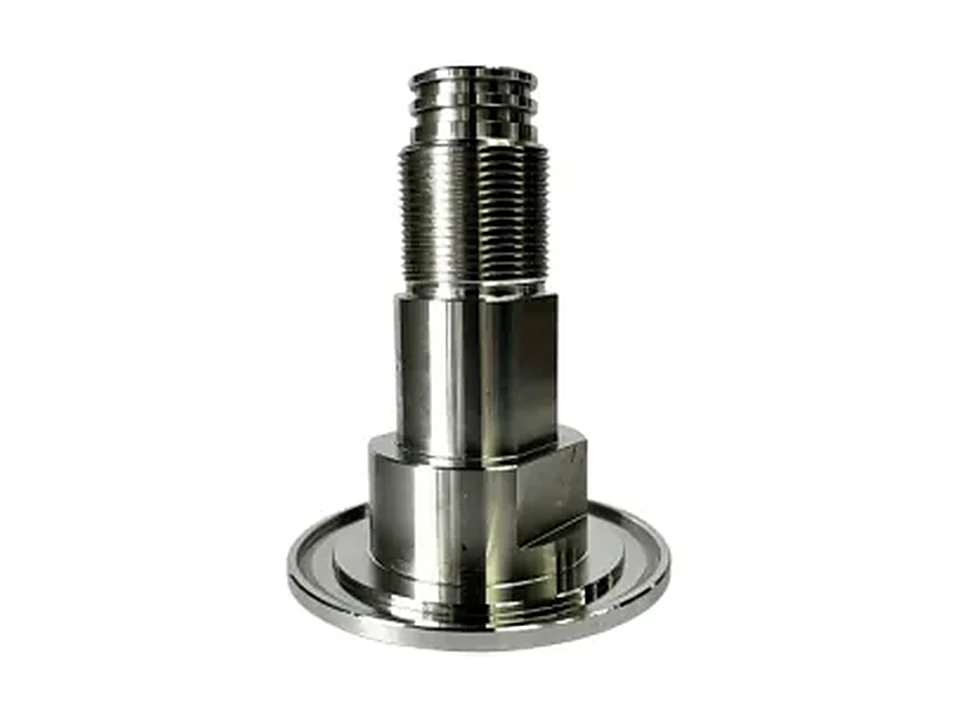

Threaded Inserts
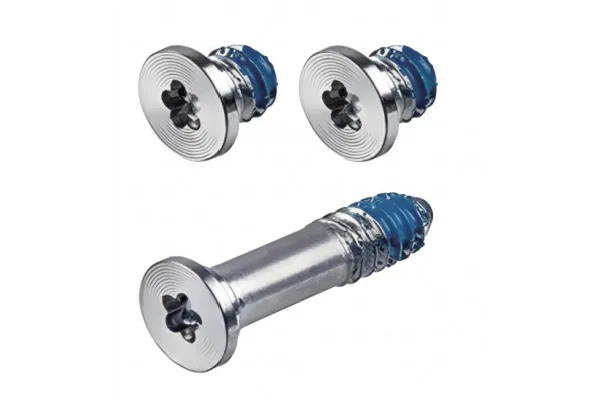
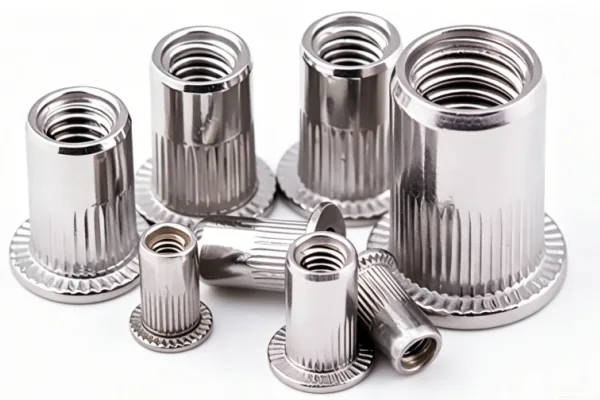
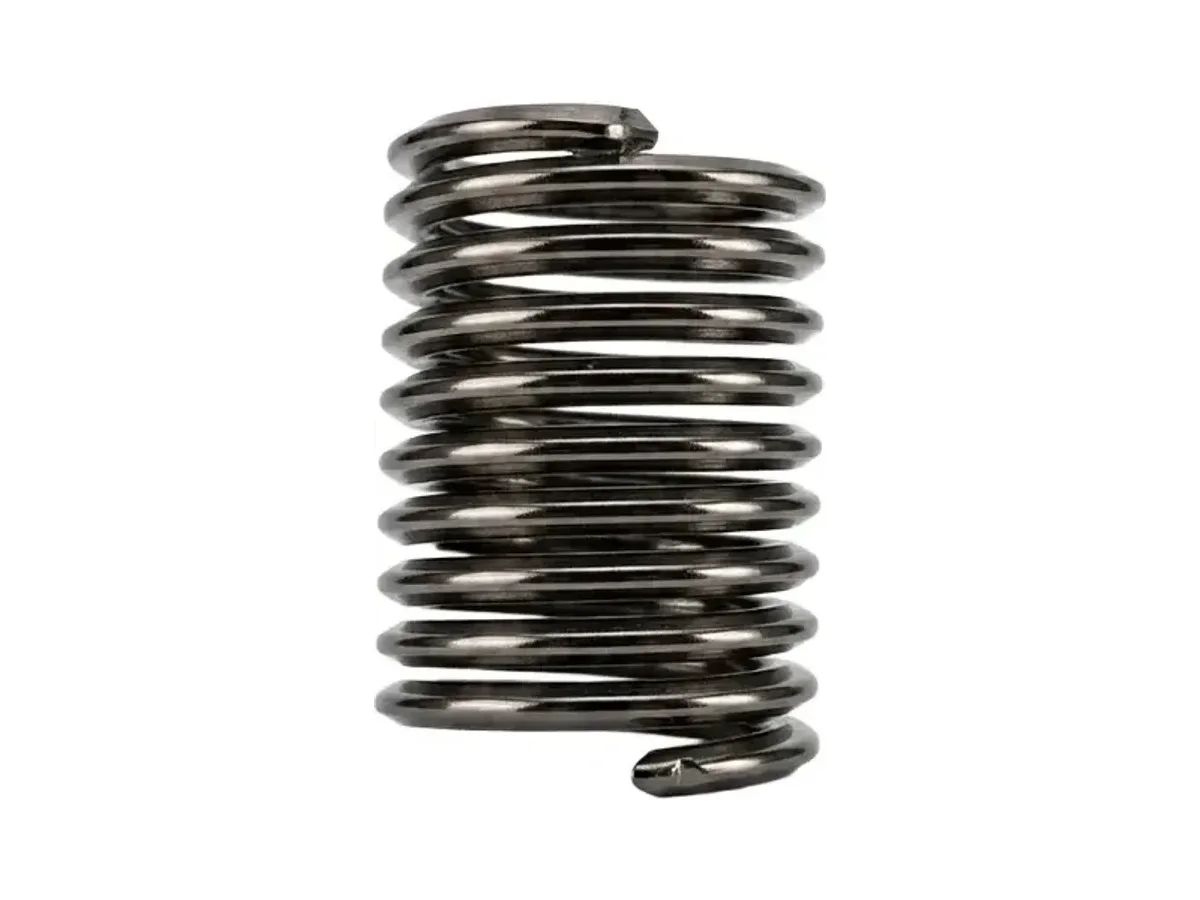
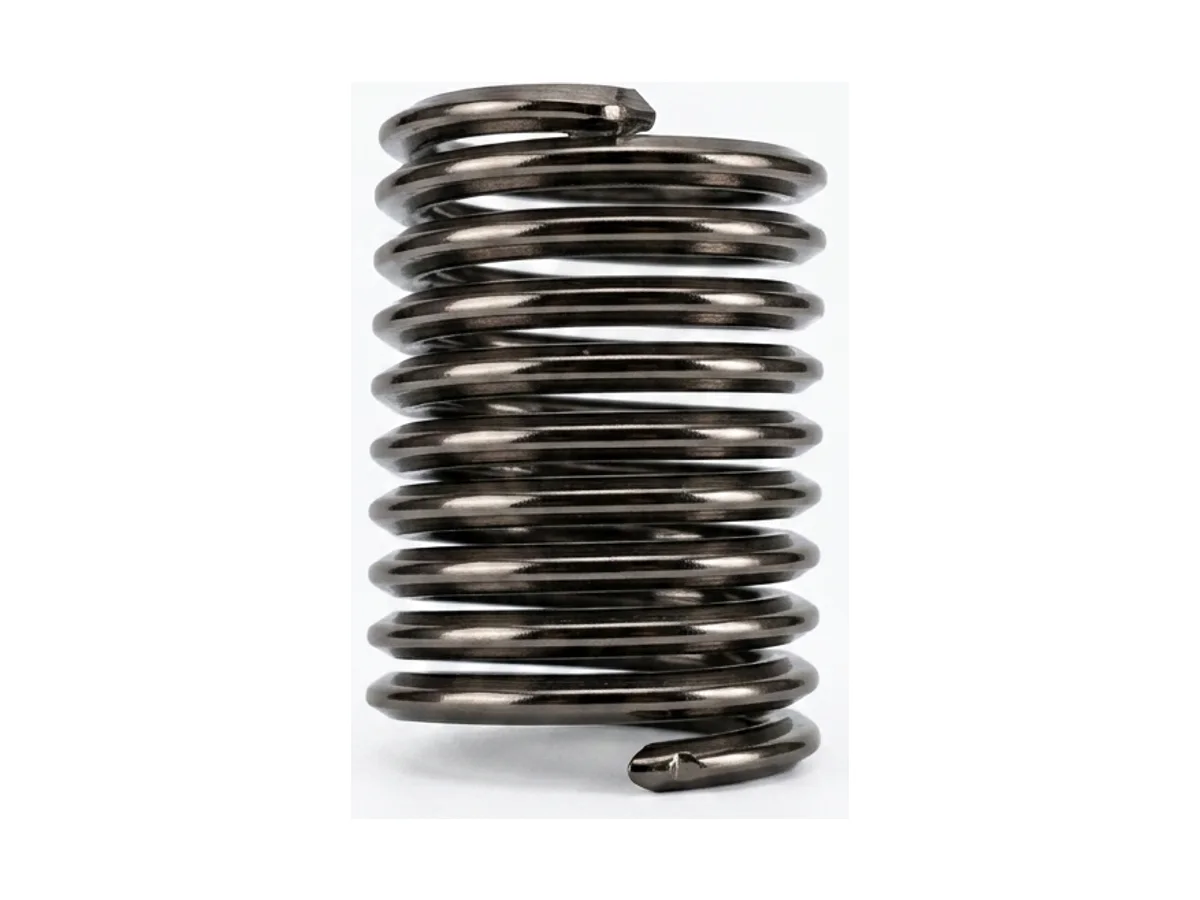
Five insert families chosen by base material and duty: wire inserts (lightweight, standard drilled holes), key-locking inserts (high torque), self-tapping inserts for die-cast aluminium, solid inserts and thread adapters. This page gives the decision tree and drill-size tables.
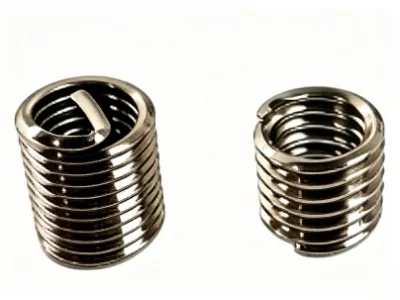
Quick spec table
Representative sizes from 8 active models in this line — full tables live on family and size-band pages; copy as needed.
| Part name / model | Spec | Thread | Length (mm) | Material | Grade |
|---|---|---|---|---|---|
| Wire thread insert | M6*2.5D green | M6 | 2.5 | — | — |
| Thread insert | M5*0.8-L7-M8*1.0 | M5 | — | — | — |
| Self-tapping insert | ID M8-1.25 / OD M12*1.5 | M8-1.25- M12x1.5 | — | — | — |
| Light-duty pin thread insert | M10x1.25-L14-M14x1.5 | M10 | — | — | — |
| Wire thread insert | M20*2D green | M20 | — | — | — |
| Wire thread insert | M5*2D natural, large OD | M5 | — | — | — |
| Tang self-locking wire thread insert | M4*1D | M4 | — | — | — |
| Type 307 hole-type self-tapping insert | M6*1.0-L8-M10*1.25 | M6 | — | — | — |
| Source: SKU master data | |||||
Related industries and conditions
Jump straight to industry and condition pages for cross-dimensional selection.
Decision tree for five insert types
Decide in four steps: (1) base material — soft aluminium/magnesium or steel; (2) is this a repair of a stripped hole (wire inserts); (3) duty torque and assembly frequency (high torque → key-locking); (4) is tapping allowed (no tapping → self-tapping inserts thread directly into the drilled hole).
Drilling and installation
Wire inserts use standard drill sizes (e.g. M6 tapped hole drilled 6.2–6.4 mm); key-locking inserts need oversized holes plus the installation tool and key-break punch; self-tapping inserts use holes 0.2–0.4 mm smaller than the insert OD. All drill sizes are available in the insert drill-size tool.
Wire inserts: material and size window
- Materials: hardened stainless SUS304/SUS316, phosphor bronze, and INCONEL nickel alloy for high temperature; hardness HRC 43-50 with UTS typically ≥1370 MPa.
- Sizes: M2-M39, coarse and fine pitch; lengths 1D/1.5D/2D/2.5D/3D standard with custom options; standard and locking forms, tang and tangless styles.
- Finishes: lubricated, tin, zinc and silver (high-temp) plating; red or green colour marking on request.
Why light-alloy threads need inserts
- Strength jump: wire inserts lift internal thread strength in Mg/Al to class 12, letting the hole take grade 8.8+ bolts.
- Even load share: without an insert the first thread carries about 50% of the load; inserts spread the load and add a permanent wear-resistant thread for much longer life.
- Stress relief: the insert buffers axial and radial loads and stays permanently fixed in the hole.
Self-tapping inserts: 302 / 307 / 308 and key-locking
- Type 308 (three round holes): cutting holes spread chip load over three edges, for a wide range of materials.
- Type 307 (three round holes): same cutting principle, especially for very thin materials.
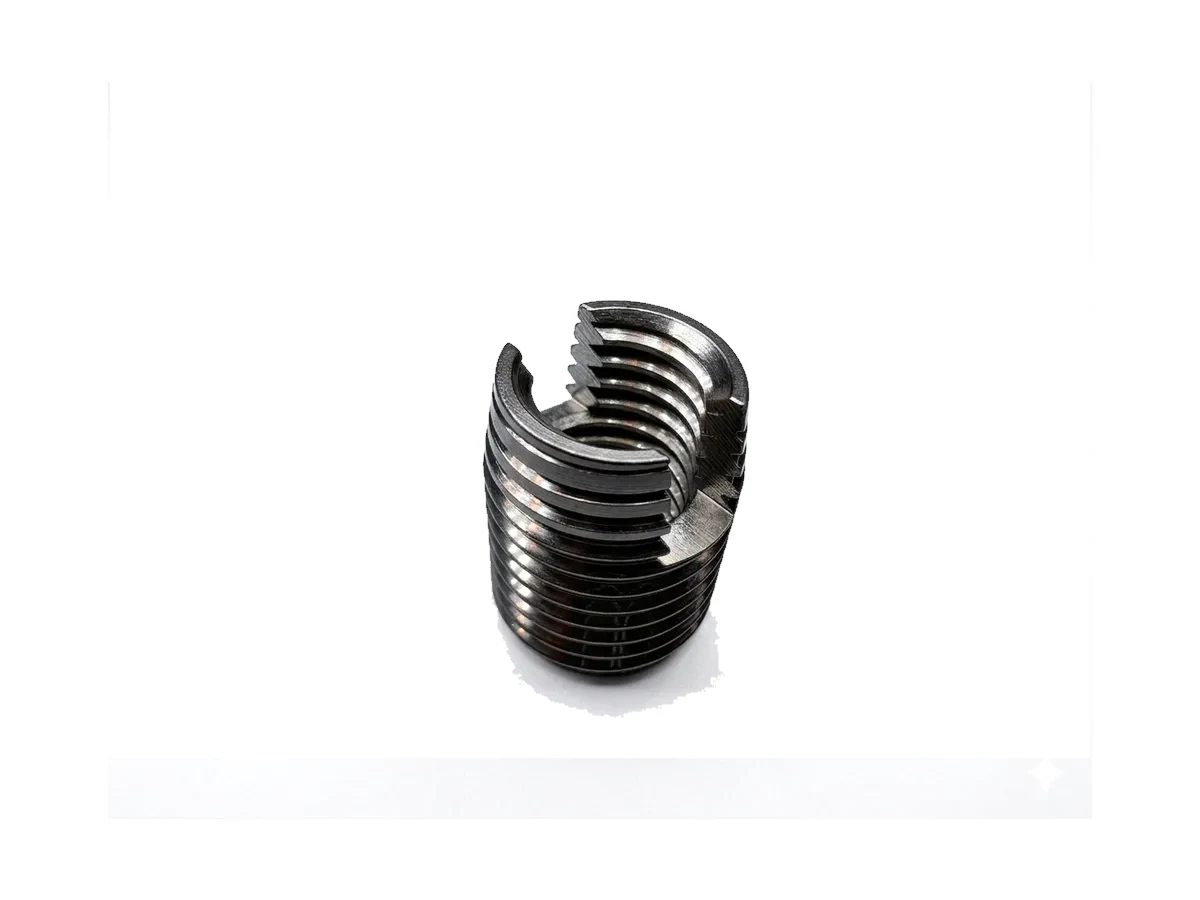
- Type 302 (slots): general purpose; in some materials a slight inward spring gives partial thread locking — choose 307/308 where locking is not wanted.
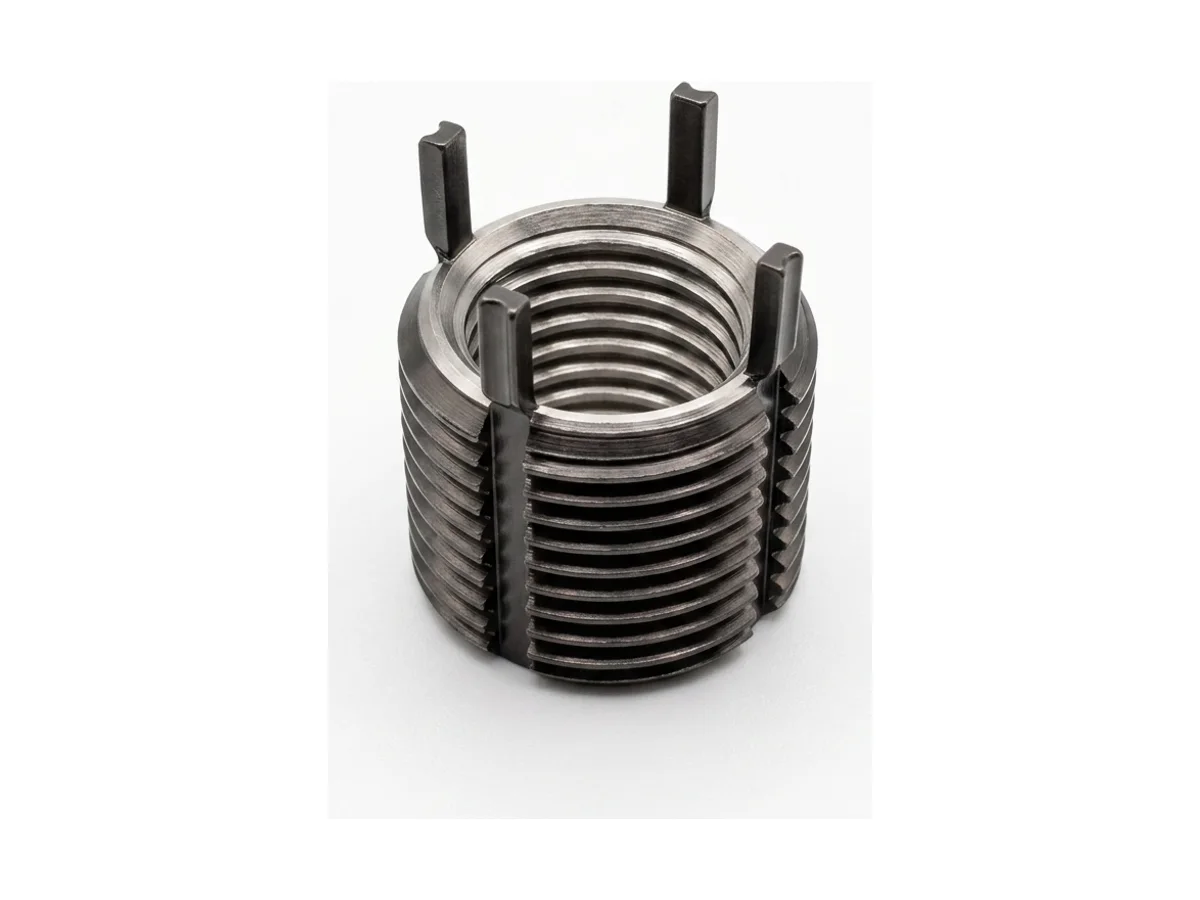
- Key-locking inserts: keyed design for repair and conversion duty; carbon and stainless steel.
- Role: repair and convert soft-metal threads, add locking with coatings, and let bolts be refitted without damaging the base — for high-vibration, heavy-load, loosening-prone duty (machinery, aerospace); stainless or zinc-plated versions protect threads in marine-grade corrosion.
Specs, MOQ and lead time
- Size range
- Precision fasteners: micro screws M0.6–M3, insert screws M1.4–M8, threaded inserts M2–M12 / 10-24 to 1/2-13, bolts, nuts and washers M2–M16
- Stock items
- Retained-stock SKUs ship from stock; see the stock page for the current list
- MOQ
- Small quantities for stock items; custom parts quoted per tooling and process
- Tiered pricing
- Three tiers: sampling / small batch / volume production
- Lead time
- Samples in 1 day for stock; volume 7–15 days; new tooling samples in 3–7 days
- Packing & OQC
- Packed to customer spec; shipment with inspection report (dimension / visual / salt spray / pull-out as required)
FAQ
How do I repair a stripped aluminium thread?
Key-locking or wire insert?
Do self-tapping inserts work in die-cast aluminium?
How much torque does a fitted insert carry?
Need a spec check or 1-day sample?
Send us your drawing, spec or part code. We reply the same day on stock, MOQ, tiered pricing and lead time (1-day sampling for stock; volume 7–15 days).
Call directly: +86 135-1036-9429(Mr. Zhang (Engineering & Sales Director)) · +86 135-6073-0094(Ms. Fan (Sales Manager))