
Humanoid Robot Fastener Selection Guide
Embodied-AI (humanoid robot) selection guide (online edition): four themes — high-frequency joint vibration, aluminium galvanic pairs, titanium lightweighting and joint sealing — with a selection table, verifiable data and cases.
Pain points
- High-frequency joint vibration: harmonic-reducer flanges and actuators lose preload under alternating loads.
- Lightweight vs strength: aluminium structures carry threads poorly; titanium is strong but costly and prone to galling.
- Galvanic pairs: aluminium joints and magnesium parts against steel fasteners corrode fast.
- Joint sealing: outdoor demos and wet duty demand IP54+.
Selection table
| Location | Recommended mix | Key points |
|---|---|---|
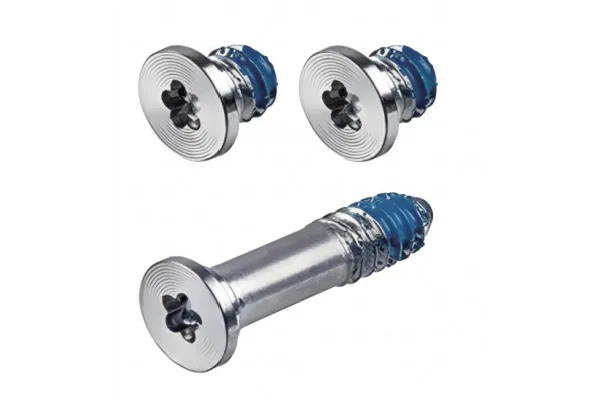
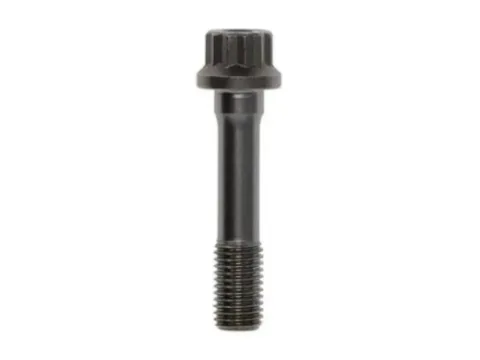
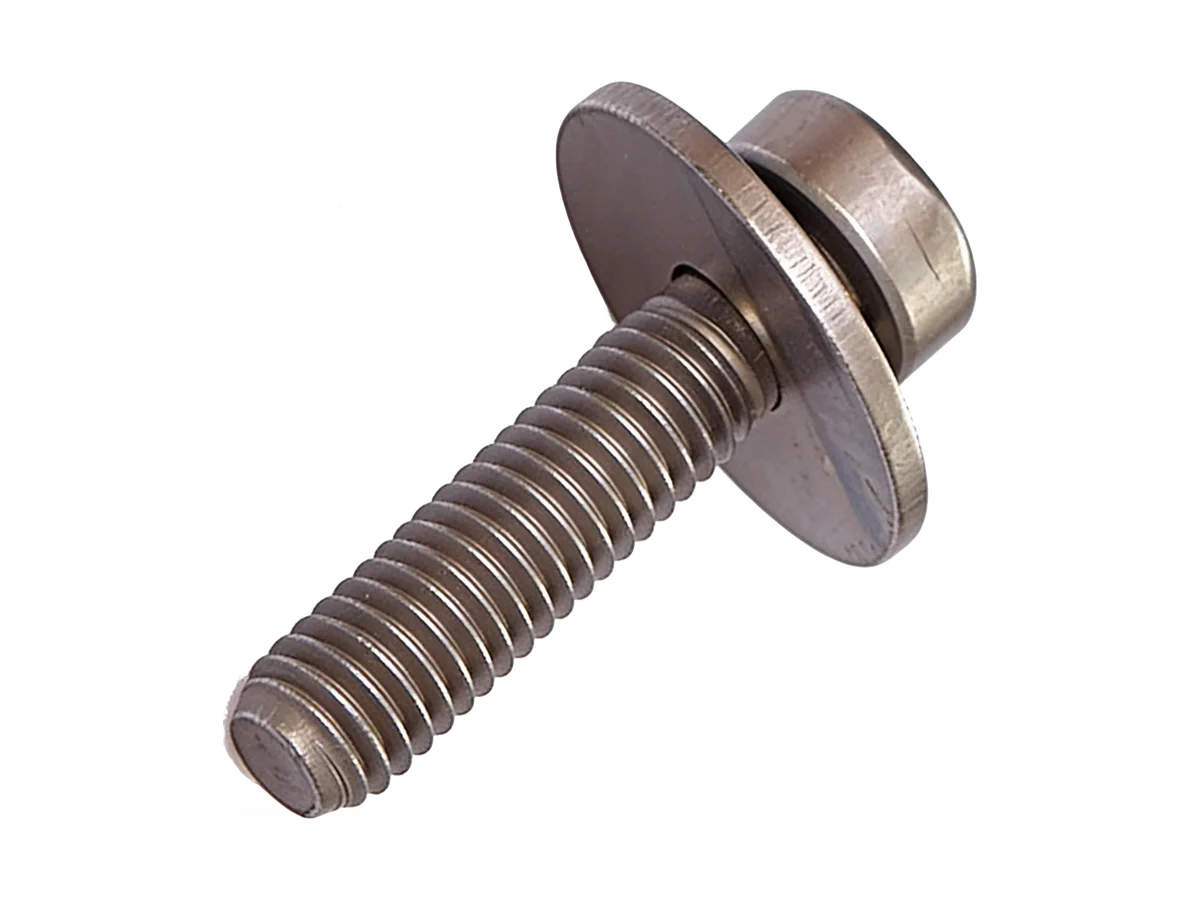
| Harmonic reducer flanges | Grade 12.9 alloy steel + controlled torque | High preload + locking (adhesive or prevailing torque) |
| Titanium structures | TC4 bolts + anti-seize | 10.9/12.9 titanium for lightweight high-strength joints |
| Al/Mg joint housings | Grade 6.8 aluminium bolts or Zn-Ni/Dacromet steel | Galvanic-compatible (aluminium route) or coating isolation |
| Joint sealing | Bonded seals + threadlocker | IP54 as a baseline; pre-coat + seals reach IP68 |
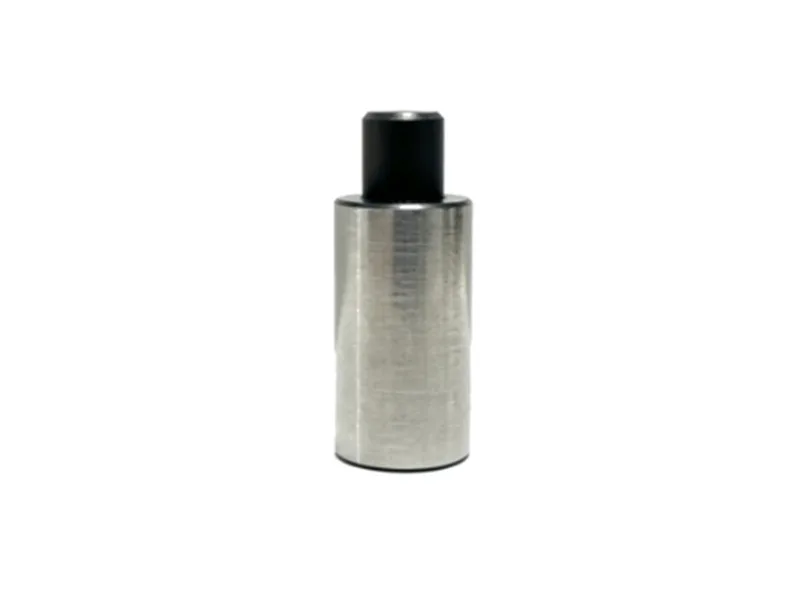
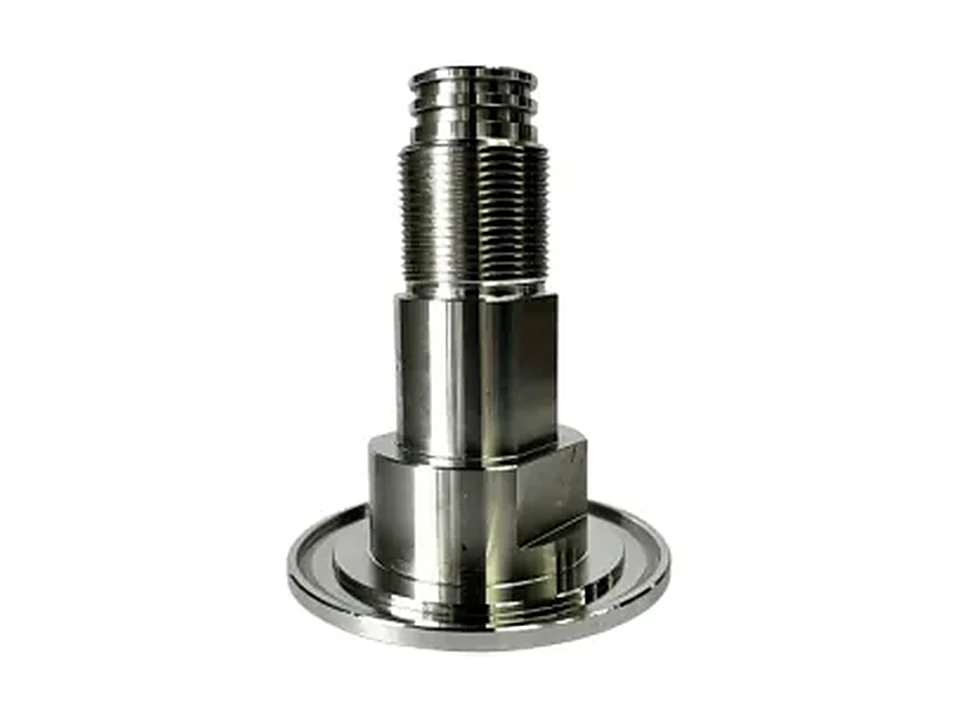
| Motion articulation | Shoulder screws + rod-end bearings | Connection, location and rotary support with controlled multi-direction swing |
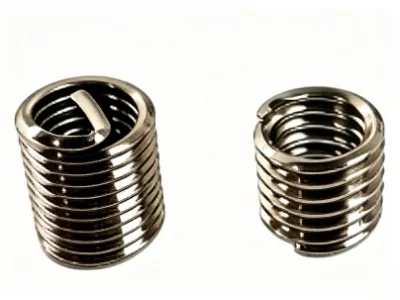
| Lightweight frame threads | Thread inserts (carbon/stainless steel) | No stripping, higher strength, longer life |
Test data
- Grade coverage: 12.9/14.9 alloy steel (joints and actuators); 10.9/12.9 titanium; grade 6.8 high-strength aluminium (galvanic-compatible lightweighting).
- Locking verification: adhesive and prevailing torque accepted per GB/T 3098.9; lock washers make removal torque exceed installation torque (wedge angle above the thread lead angle).
- Coatings: Zn-Ni 720 h+ to white rust; Dacromet 1000 h+ with no hydrogen risk (first choice for high-strength parts).
- Supply: joint-critical parts sampled in 3–7 days, volume in 7–15 days.
Application cases
- Joints and motion: shoulder screws carry connection/location/rotary support; rod-end bearings articulate lead-screw actuators and linkages — knees, ankles, dexterous hands, actuator mounts.
- Body and finger joints: 12.9/14.9 locking screws with fingertip actuators, tendon pulleys, sensor modules and cover panels.
- Torso frames: inserts solve stripping/strength/life; lock washers serve core joints and precision modules.
FAQ
Titanium or aluminium bolts?
Titanium (10.9/12.9, with anti-seize) for high-load corrosion-exposed structures; grade 6.8 aluminium for galvanic-compatible lightweight joints at lower cost.
Is IP68 sealing necessary on joints?
By duty: IP54 baseline indoors; IP68 only for outdoor and wash-down duty — sealing adds friction and cost.
Need a spec check or 1-day sample?
Send us your drawing, spec or part code. We reply the same day on stock, MOQ, tiered pricing and lead time (1-day sampling for stock; volume 7–15 days).
Call directly: +86 135-1036-9429(Mr. Zhang (Engineering & Sales Director)) · +86 135-6073-0094(Ms. Fan (Sales Manager))