
Fastener Application Selector
Fifteen typical assembly applications organised by substrate, mechanism and scenario: from plastic thread stripping and die-cast thread damage to one-sided sheet-metal assembly, PCB soldered nuts, magnesium galvanic corrosion and IP68 sealing — each with common failures, recommended solutions and the metrics behind them.
Sub-pages
22 sub-pages grouped by topic — each card opens the next level.

Carbon Fiber Airframe Bolts

Camera Module Screws
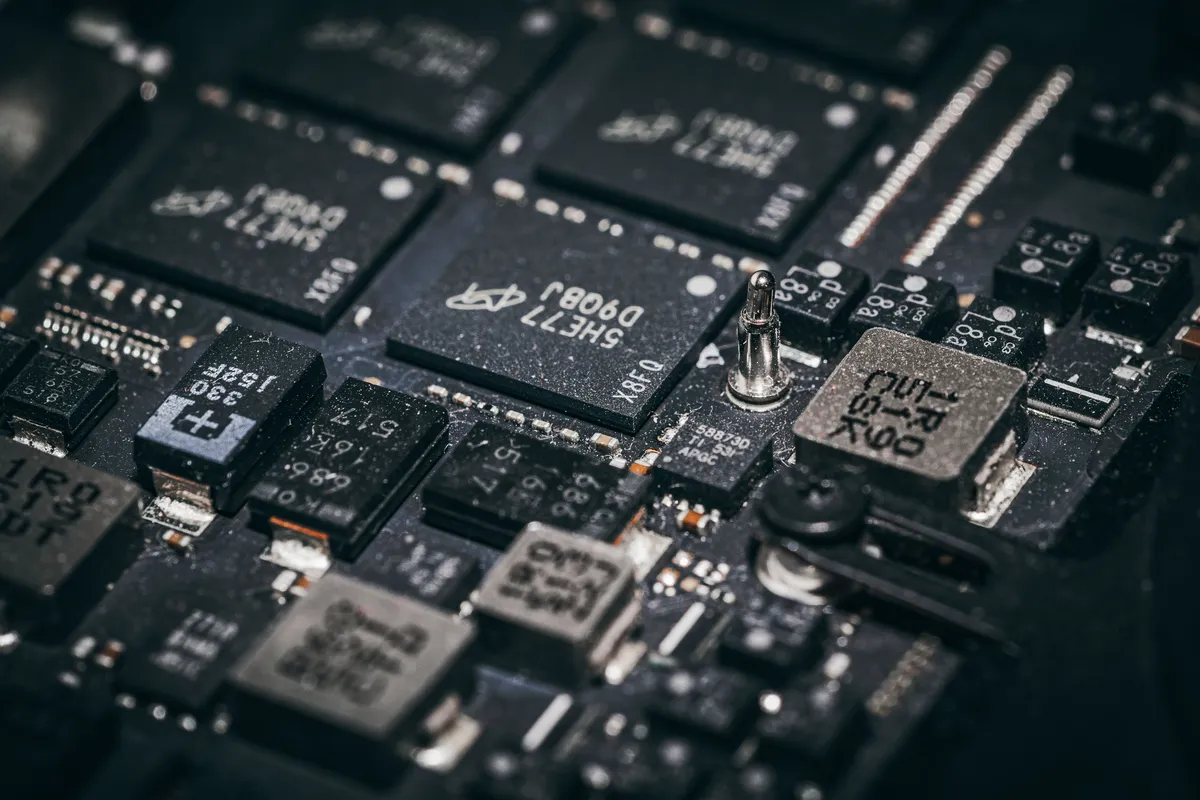
Cold plate fasteners
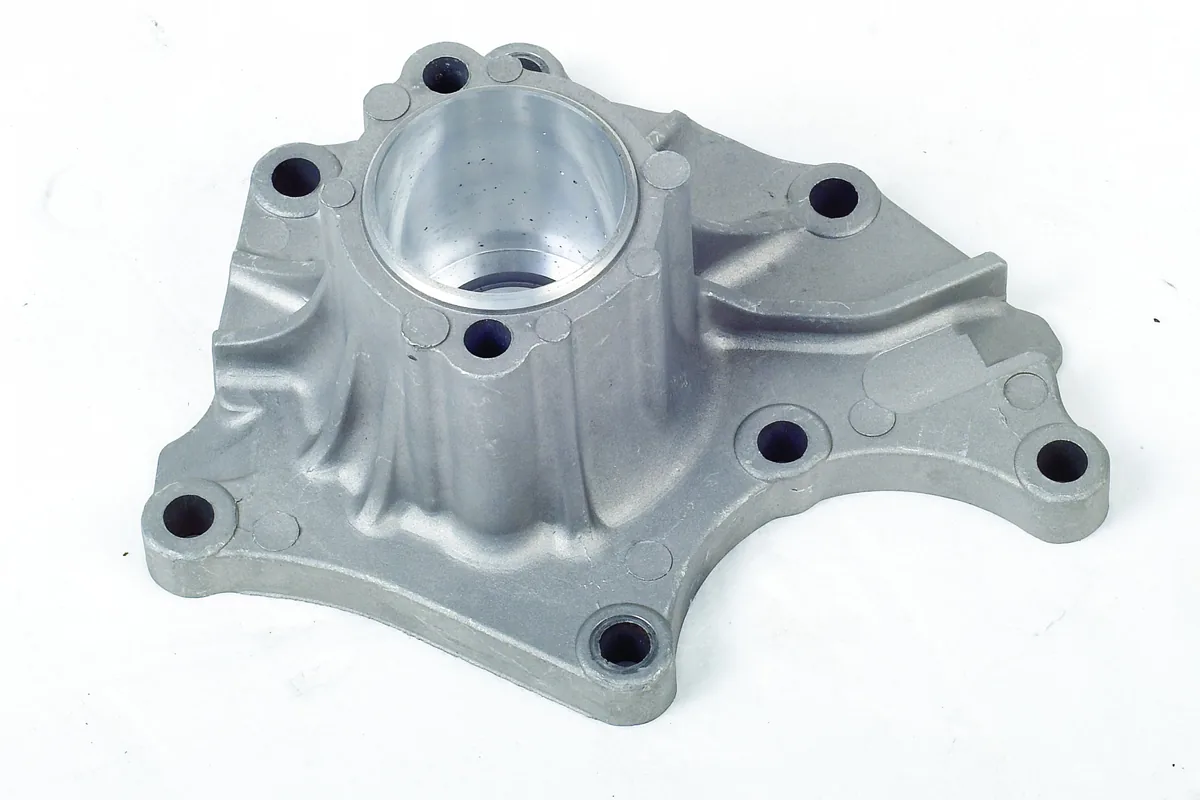
Compressor Base Bolts
Drone Arm Screws

Robot screws

Battery Box Sealing Bolts
Battery Tray Bolts
Busbar bracket fastening
Drive Unit Housing Threads
Folding Hinge Screws
Harmonic Reducer Screws
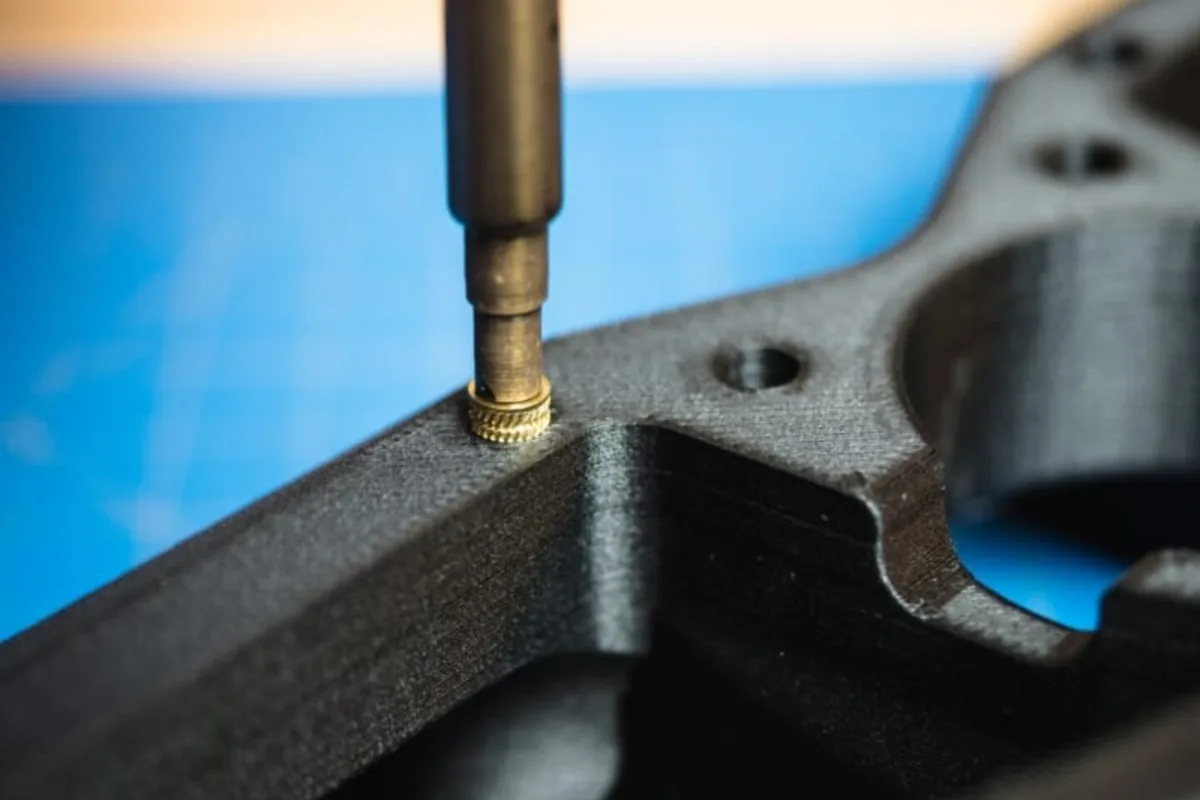
Insert Clamping Screw
Mega Casting Thread Reinforcement
Outdoor Cabinet Screws
Phone screws
Self-tapping Screw For Plastic Boss
Quick Disconnect Threads
Robot Joint Fastening

Server Rail Screws
Casting Shock Tower Threads
Tool Holder Screws
727models online
22sub-pages
1 day sampleSamples in 1 day for stock items
7–15 daysVolume: 7–15 days
By substrate: what is being joined
- Engineering plastics: low thread strength and stripping on re-assembly — pre-mould inserts (brass / stainless / titanium) or self-tapping screws forming threads in plain holes.
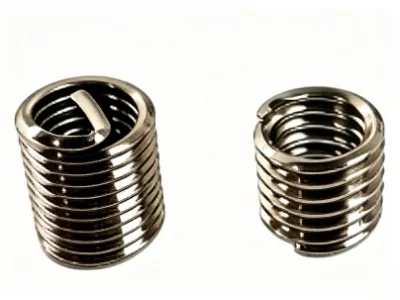
- Light-alloy die castings: tapping strips easily — reinforce with wire inserts to class 8 or beyond (up to 12); self-tapping screws in plain holes add interference locking.
- Carbon-fibre composites: drilled holes cut fibres — prefer bonded joints without holes; load-bearing nodes add bushes and sleeves to spread load.
- Cemented-carbide tools: high hardness and stable torque — TORX® / TORX PLUS® licensed insert screws in 12.9 alloy steel.
- PCB: no threads on board — soldered tin-plated copper nuts form threads and standoffs; high-current terminals conduct; super screws join stacked boards and chassis.
By mechanism: the failure path decides the fix
- Galvanic corrosion on magnesium: Mg ≈ −1.6 V vs carbon steel ≈ −0.44 V — switch to high-strength aluminium bolts plus head-face sealant to break the couple.
- Thread locking: pre-applied patch (chemical / physical), under-head serrations or lock washers; double washers use a lead angle above the thread pitch so removal torque exceeds tightening.
- Sealing: pre-applied sealant plus O-ring reaches IP68; sealed press-in studs and riveted parts for cabinets; expand / press-in plugs for process holes.
- Finish pairing: anodised ZT68 bolts reliably pass 60 days of neutral salt spray; lubricant coatings hold total friction coefficient at 0.09–0.15.
- High strength and lightweight: 12.9 / 14.9 for heavy loads; ZT68 aluminium bolts at about 630 MPa UTS match class 6.8 while cutting weight by up to ~65%.
Scenario × solution quick table
| Scenario | Common failure | Recommended solution | Metric / basis |
|---|---|---|---|
| Plastic parts | Stripping, loosening, stud cracking | Pre-moulded inserts; or self-tapping in plain holes | Reusable threads; insert alloy by strength and corrosion |
| Die-cast light alloys | Tapping strips, damaged threads | Wire thread inserts; self-tapping in plain holes | Class 8 or higher after reinforcement, up to class 12 |
| Magnesium joints | White rust, thread damage, leaks | Aluminium bolts + head sealant | Mg ≈ −1.6 V vs steel ≈ −0.44 V — narrow the potential gap |
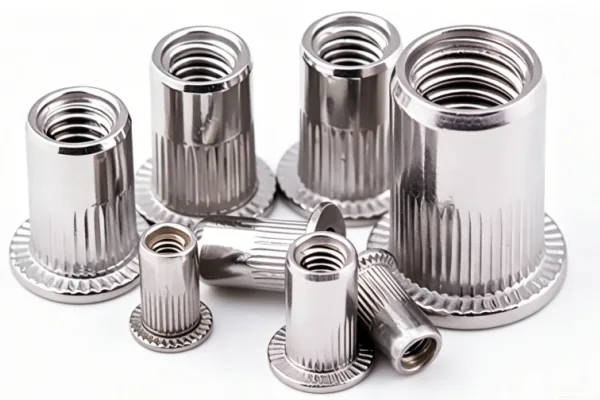
| Sheet metal / cabinets | No rear access, poor earthing | Press-in studs & nuts, rivet nuts, earth terminals, flat-head rivets | One-sided assembly; flat head for flatness |
| Wet areas | Splash, condensation, leaks | Pre-applied sealant + O-ring; sealed studs; sealing plugs | Sealing to IP68 |
| Process-hole sealing | Seal without repeated removal | Expand / press-in sealing plugs | Near-100% sealing with near-zero failures |
| PCB / SMT | No threads, standoff or conduction | Soldered Cu-Sn nuts, current terminals, super screws | Tape-and-reel packaging for SMT lines |
| Vibration duty | Loosening, preload loss | Thread-lock patch; double washers; cone-faced washers | Double washers: removal torque > tightening |
| Composite structures | Fibre damage, delamination | Bonded joints + bushes and sleeves | Bond plate sized to joint strength |
| Lightweight design | Steel too heavy; galvanic risk | ZT68 high-strength aluminium bolts | ≈630 MPa UTS vs class 6.8; up to ~65% lighter |
How to apply the three lenses
- ① Substrate: steel and stainless allow the widest choice; light alloys hinge on thread strength and galvanic pairs — reinforce with inserts, then switch to aluminium bolts with sealant.
- ② Process: the assembly method decides the structure — press-in / rivet / captive for one-sided sheet work; self-tapping where inserts are impractical; tape-and-reel and reflow-compatible for SMT.
- ③ Function: match locking to vibration (patch → double washer → cone washer), sealing to rating (IP68 needs sealant + O-ring), and earthing to press-in terminals.
Specs, MOQ and lead time
- Size range
- Precision fasteners: micro screws M0.6–M3, insert screws M1.4–M8, threaded inserts M2–M12 / 10-24 to 1/2-13, bolts, nuts and washers M2–M16
- Stock items
- Retained-stock SKUs ship from stock; see the stock page for the current list
- MOQ
- Small quantities for stock items; custom parts quoted per tooling and process
- Tiered pricing
- Three tiers: sampling / small batch / volume production
- Lead time
- Samples in 1 day for stock; volume 7–15 days; new tooling samples in 3–7 days
- Packing & OQC
- Packed to customer spec; shipment with inspection report (dimension / visual / salt spray / pull-out as required)
FAQ
Screws keep stripping in plastic parts — what works?
The root cause is plastic thread strength; bigger screws will not fix it. Use pre-moulded inserts (brass / stainless / titanium) or self-tapping screws forming threads in plain holes.
The back of the sheet metal is unreachable — how do I fasten it?
Use one-sided fasteners: press-in studs and nuts, rivet nuts set from one side; captive screws where panels are reopened and screws must not drop; press-in earth terminals for grounding.
How do I reach IP68 sealing?
Three paths by location: sealant plus O-ring under the head or on threads; sealed press-in studs or pre-coated riveted parts for cabinets; expand / press-in plugs for process holes.
Need a spec check or 1-day sample?
Send us your drawing, spec or part code. We reply the same day on stock, MOQ, tiered pricing and lead time (1-day sampling for stock; volume 7–15 days).
Call directly: +86 135-1036-9429(Mr. Zhang (Engineering & Sales Director)) · +86 135-6073-0094(Ms. Fan (Sales Manager))